Blog ·
How Your Garage Environment Affects Your Detailing Schedule
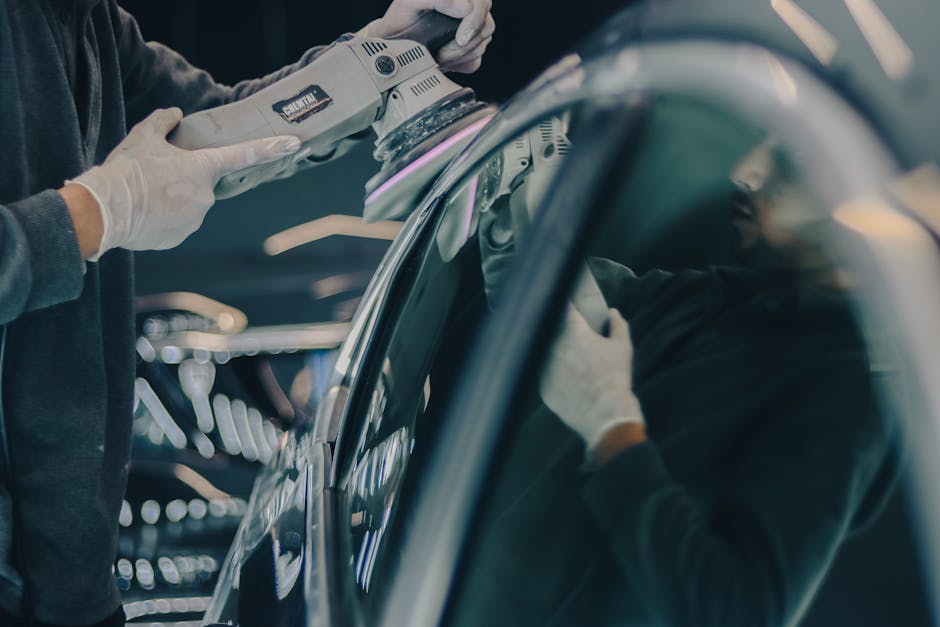
Your garage environment plays a crucial role in determining how often you need detailing and how frequently your paint protection requires maintenance. Understanding these environmental factors helps you plan a more effective schedule for protecting your vehicle's finish.
Understanding Your Garage Conditions
Garages vary dramatically in their conditions. Some are fully climate controlled spaces that maintain consistent temperatures and humidity. Others are partially enclosed, exposed to seasonal changes. Still others are open-air carports. Each scenario creates different challenges for your vehicle's paint and clear coat.
In uncontrolled garage spaces, temperature fluctuations cause your vehicle's paint to expand and contract. This movement creates microscopic stress on the clear coat and can accelerate oxidation. Humidity, especially in humid climates, accelerates paint degradation and can cause water spotting. If your garage is exposed to dust, pollen, or debris, your paint accumulates contaminants more rapidly, requiring more frequent detailing.
Climate-controlled garages offer protection but still require attention. Even climate-controlled spaces collect dust and fine particles. Your vehicle's paint gradually collects brake dust, mineral deposits, and airborne contaminants that need removal through comprehensive auto detailing.
How Storage and Flooring Affect Your Paint
The type of garage flooring and storage items also matter. Concrete garage floors release dust particles that settle on your vehicle. Stored chemicals, paints, or solvents can off-gas and affect your paint finish. Moisture from wet vehicles or humid conditions creates an environment where water spots and oxidation develop faster.
Adjusting Your Detailing Schedule
For customers with advanced ceramic coating protection, environmental conditions determine maintenance frequency. Vehicles stored in dusty, uncontrolled garages may benefit from detailing every four to six weeks. Those in clean, climate-controlled spaces might extend intervals to eight weeks or longer. The ceramic coating provides ultimate paint protection, but even professional-grade coatings perform optimally with scheduled maintenance matching your garage conditions.
Comprehensive auto detailing removes accumulated contaminants and maintains your ceramic coating's performance. Regular detailing intervals preserve the hydrophobic properties that make ceramic coatings effective at repelling water and contaminants.
To optimize your schedule, assess your garage carefully. Note temperature extremes, humidity levels, dust accumulation, and storage items. These observations help determine your ideal detailing frequency. Vehicles in harsh garage environments benefit from more frequent detailing and may need additional ceramic coating applications sooner than those in controlled settings.
Your paint protection investment depends partly on your garage environment. By understanding how your specific space affects your vehicle, you can schedule detailing and maintenance at the optimal intervals for your situation. This proactive approach maximizes the effectiveness of your ceramic coating and keeps your paint looking flawless longer.